1329 W Walnut Hill Ln, Ste 104, Irving, TX 75038
 (972) 449-9329
 Patient Portal



Weight loss can be challenging, especially when factors such as hunger, cravings, metabolism changes, and health conditions make progress more difficult. Many people work hard to improve their nutrition, exercise regularly, and make lifestyle changes but still struggle to achieve long-term weight management goals.
As weight management science continues to advance, medications such as Ozempic, Wegovy, and semaglutide have become increasingly discussed as potential treatment options. However, many patients are confused about how these medications are connected, which ones are used for weight loss, and whether they are appropriate for their individual health needs.
One of the most common questions is:
Are Ozempic, Wegovy, and semaglutide the same thing?
The answer is that they are closely related but not exactly the same.
Semaglutide is the active ingredient found in both Ozempic and Wegovy. However, these medications are approved for different medical purposes and may be recommended based on different health goals. Some patients also compare semaglutide with oral semaglutide (Rybelsus) versus injections when weighing delivery methods.
Understanding the differences can help you have a more informed conversation with your healthcare provider about weight management options.
At Vitality Direct Primary Care, Dr. Sana Haq provides personalized healthcare focused on understanding each patient’s medical history, lifestyle, and long-term wellness goals. Through comprehensive evaluations, longer appointments, and direct physician access, patients receive guidance designed around their individual needs.
Ozempic vs Wegovy vs Semaglutide
The biggest difference between these medications is their approved purpose and how they are used.
| Medication | Active Ingredient | Main Use |
| Semaglutide | Semaglutide | The active medication ingredient used in different treatments |
| Ozempic | Semaglutide | Primarily approved for type 2 diabetes management |
| Wegovy | Semaglutide | Specifically approved for chronic weight management |
Although Ozempic and Wegovy contain the same active ingredient, they are not interchangeable.
The right option depends on factors such as your health history, weight management goals, existing medical conditions, medication needs, and healthcare provider recommendations.
What Is Semaglutide?
Semaglutide is a medication that belongs to a group of treatments called GLP-1 receptor agonists.
GLP-1, or glucagon-like peptide-1, is a hormone naturally produced in the body that plays an important role in appetite regulation, digestion, blood sugar control, and feelings of fullness after eating.
Semaglutide works by mimicking some effects of this natural hormone. By influencing GLP-1 pathways, it may help regulate appetite and support healthier eating patterns.
Semaglutide may help with:
Appetite Regulation
One of the biggest challenges during weight loss is managing hunger and cravings.
Semaglutide may influence appetite signals in the brain, helping some individuals experience reduced hunger, fewer cravings, better appetite control, and improved ability to maintain nutrition goals.
Feeling Full Longer
Semaglutide may slow digestion, which can help some people feel satisfied after eating smaller portions.
This may support reduced snacking, better portion control, and more consistent eating habits.
Blood Sugar Support
Semaglutide also affects pathways involved in blood sugar regulation.
It may help support improved insulin response, better blood sugar management, and healthier metabolic function.
Although semaglutide influences blood sugar pathways, different medications containing semaglutide have different approved uses.
Why Semaglutide Is Used in Different Medications
A common source of confusion is that the same active ingredient can appear in different medications.
Semaglutide is used in both Ozempic and Wegovy, but the medications differ based on FDA-approved purpose, dosing approach, intended patient population, and medical goals.
A healthcare provider considers the complete health picture before recommending any medication.
What Is Ozempic?
Ozempic is a prescription medication that contains semaglutide.
It is primarily approved for adults with type 2 diabetes to help improve blood sugar control when combined with diet and exercise, and is often discussed alongside broader diabetes management strategies.
Because semaglutide affects appetite and fullness signals, some people taking Ozempic may experience weight loss.
However, Ozempic is not specifically approved as a weight loss medication.
What Is Ozempic Used For?
Ozempic may help eligible patients with type 2 diabetes by supporting blood sugar regulation, insulin response, and diabetes management goals.
A healthcare provider determines whether Ozempic is appropriate based on diabetes status, medical history, current medications, and overall health goals.
Medication decisions should always be based on individual healthcare needs rather than trends or popularity.
What Is Wegovy?
Wegovy is another prescription medication that contains semaglutide.
Unlike Ozempic, Wegovy is specifically approved for chronic weight management in eligible adults and adolescents.
Wegovy is designed to support weight loss when combined with a reduced-calorie nutrition plan, increased physical activity, and long-term lifestyle changes.
What Is Wegovy Used For?
Wegovy may be considered for individuals who have obesity, are overweight with certain weight-related health conditions, or need additional medical support for weight loss and obesity management.
Weight challenges are influenced by many factors, including genetics, hormones, metabolism, lifestyle habits, and health conditions.
A healthcare evaluation helps determine whether Wegovy may be an appropriate option, and our guide on who qualifies for Wegovy covers this in more detail.
Ozempic vs Wegovy: What Is the Difference?
Many people ask whether Ozempic and Wegovy are the same medication because both contain the active ingredient semaglutide.
The answer is no. Although they contain the same medication ingredient, they are approved for different purposes and may be prescribed for different health needs.
The main difference is the reason they are prescribed.
| Feature | Ozempic | Wegovy |
| Active Ingredient | Semaglutide | Semaglutide |
| Primary Purpose | Type 2 diabetes management | Chronic weight management |
| Main Focus | Blood sugar control | Weight loss support |
| Used With | Diet and exercise | Reduced-calorie nutrition plan and physical activity |
| Patient Goal | Improve diabetes management | Support weight reduction in eligible individuals |
The choice between Ozempic and Wegovy depends on a person’s medical situation, health goals, and provider recommendations.
A healthcare provider may consider current health conditions, weight management goals, diabetes status, medical history, current medications, and potential benefits and risks.
Medication decisions should always be based on individual healthcare needs rather than popularity or online trends.
How Does Semaglutide Help With Weight Loss?
Semaglutide supports weight management by working with the body’s natural systems that control appetite, digestion, and fullness.
Unlike traditional weight loss approaches that focus only on calorie reduction, semaglutide affects biological signals that influence hunger and eating patterns.
The medication may support weight loss through several mechanisms.
Reduces Hunger and Cravings
One of the biggest challenges during weight loss is managing persistent hunger.
Many people understand healthy eating habits but struggle because strong appetite signals and cravings make it difficult to maintain progress.
Semaglutide may influence appetite-related signals in the brain, which can help some individuals experience reduced hunger, fewer cravings, better control over food portions, and improved ability to follow nutrition goals.
This may make healthy eating patterns easier to maintain.
Helps You Feel Full Longer
Semaglutide may slow stomach emptying, which means food can remain in the stomach longer after eating.
This may help some people feel satisfied after smaller meals, reduce frequent snacking, better manage portion sizes, and maintain more consistent eating habits.
However, individual responses vary, and not everyone experiences the same level of appetite changes.
Supports Metabolic Health
Semaglutide also influences pathways involved in blood sugar regulation and insulin response.
These effects may support healthier metabolic function, especially in individuals with weight-related health concerns.
Potential metabolic benefits may include improved insulin response, better blood sugar regulation, and support for healthier eating patterns.
Medication is only one part of successful weight management. Long-term results typically require combining treatment with lifestyle changes and ongoing healthcare support.
How Much Weight Can You Lose With Semaglutide?
Weight loss results with semaglutide vary from person to person.
Some individuals may experience noticeable changes within months, while others may lose weight more gradually.
The amount of weight loss depends on several factors, including starting weight, body composition, nutrition habits, physical activity level, medication dose, overall health conditions, and consistency with treatment.
A healthcare provider can help monitor progress and determine whether treatment is meeting your goals.
Factors That Influence Weight Loss Results
Nutrition Habits Medication works best when combined with balanced nutrition through nutrition counselling, including adequate protein, vegetables and fruits, whole foods, healthy fats, and appropriate portion sizes.
Physical Activity Regular movement, supported through exercise counselling, helps with muscle maintenance, metabolism, cardiovascular health, and overall wellness.
Exercise is especially important because maintaining muscle can support healthier body composition during weight loss. Our guide on preventing muscle loss on semaglutide or tirzepatide offers practical strategies for this.
Sleep and Stress Management Sleep quality and stress levels can influence appetite, energy, and daily habits.
Supporting better sleep routines, stress reduction, and healthy daily habits can improve overall weight management efforts.
Who May Qualify for Semaglutide Weight Loss?
Semaglutide medications such as Wegovy may be considered for adults who meet specific medical guidelines.
Eligibility depends on more than body weight alone.
A healthcare provider may evaluate body mass index (BMI), weight-related health conditions, previous weight loss efforts, medical history, current medications, and personal health goals.
Generally, prescription weight management medications may be considered for individuals who:
| Qualification | Description |
| BMI of 30 or higher | Adults with obesity may qualify based on medical evaluation |
| BMI of 27 or higher | Adults with overweight and certain weight-related health conditions may be considered |
Weight-related health conditions may include high blood pressure, high cholesterol, type 2 diabetes, and sleep-related breathing problems. Ongoing conditions such as hypertension may also benefit from hypertension management alongside weight loss treatment.
A medical evaluation is important because semaglutide may not be appropriate for everyone.
Why Eligibility Should Be Determined by a Healthcare Provider
Weight management medications require careful consideration because health factors vary between individuals.
A provider evaluates whether medication is medically appropriate, potential benefits, possible risks, existing health conditions, and long-term treatment goals.
This personalized approach helps ensure that treatment decisions support overall health rather than focusing only on weight loss.
Semaglutide vs Tirzepatide: Understanding the Difference
As weight management medications continue to evolve, many patients compare semaglutide vs tirzepatide when exploring prescription treatment options.
Although both medications support weight management, they work through different hormone pathways.
Semaglutide is the active ingredient found in medications such as Ozempic and Wegovy.
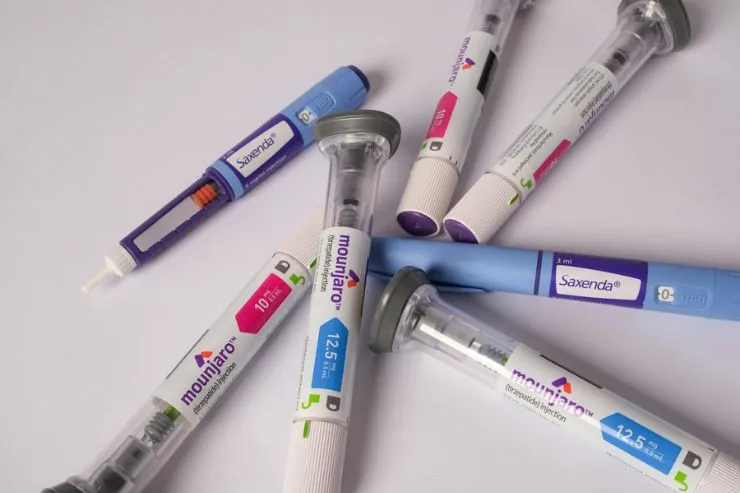
Tirzepatide is the active ingredient found in medications such as Zepbound.
The main difference is how these medications interact with the body’s hormone systems.
| Feature | Semaglutide | Tirzepatide |
| Medication Class | GLP-1 receptor agonist | GLP-1 and GIP receptor agonist |
| Brand Examples | Ozempic, Wegovy | Zepbound |
| Main Pathways | GLP-1 hormone pathway | GLP-1 and GIP hormone pathways |
| Main Effects | Appetite regulation, fullness, blood sugar support | Appetite regulation, fullness, and metabolic support |
Both medications may help eligible patients with weight management, but there is no single medication that works best for everyone.
A healthcare provider considers factors such as medical history, weight management goals, existing health conditions, medication response, and personal preferences.
The right choice depends on your individual health needs.
What Are the Side Effects of Semaglutide?
Like any prescription medication, semaglutide may cause side effects. Our broader overview of GLP-1 side effects covers what to expect across this medication class.
Many common side effects involve the digestive system and may be more noticeable when starting treatment or adjusting the medication dose.
Before beginning semaglutide, it is important to discuss your health history and possible risks with a healthcare provider.
Common Side Effects of Semaglutide
- Nausea Nausea is one of the most commonly reported side effects. Some people experience nausea when their body is adjusting to treatment.
- Helpful strategies may include eating smaller meals, avoiding very large portions, following provider recommendations, and staying hydrated.
- Vomiting Some individuals may experience vomiting during treatment.
- Persistent vomiting can increase the risk of dehydration and should be discussed with a healthcare provider.
- Diarrhea Changes in digestion may occur with semaglutide.
- Diarrhea may contribute to fluid loss, dehydration, and discomfort.
- Maintaining hydration is important if digestive symptoms occur.
- Constipation Some people experience constipation while taking semaglutide.
- Helpful habits may include drinking enough fluids, eating fiber-rich foods, and staying physically active.
- A healthcare provider can provide additional guidance if symptoms continue.
- Stomach Discomfort Some individuals may experience abdominal discomfort, bloating, feeling overly full, and digestive changes.
- These symptoms may improve as the body adjusts, but ongoing or severe symptoms should be evaluated.
Other Possible Side Effects
Some patients may also experience fatigue, heartburn, burping, reduced appetite, and injection site reactions.
Side effects vary between individuals, and not everyone experiences the same symptoms.
Regular communication with your healthcare provider allows concerns to be addressed and treatment adjustments to be made when needed.
Serious Side Effects of Semaglutide
Serious side effects are less common but should be discussed with a healthcare provider.
Seek medical attention through an acute care visit if you experience:
Severe Stomach Pain Especially concerning symptoms may include severe pain that does not improve, pain that spreads toward the back, or pain with nausea or vomiting.
Signs of Allergic Reaction Possible allergic reaction symptoms may include swelling, difficulty breathing, severe rash, or sudden allergic symptoms.
Gallbladder Problems Possible warning signs include severe abdominal discomfort, fever, nausea, and changes in digestion.
Signs of Dehydration Digestive side effects such as vomiting or diarrhea may increase the risk of dehydration.
Warning signs may include dizziness, dry mouth, reduced urination, and extreme fatigue.
Working with a healthcare provider helps ensure medication safety and appropriate monitoring.
Why Personalized Medical Guidance Matters With Semaglutide
Weight loss medications should not be viewed as quick solutions.
Semaglutide may be a helpful tool for eligible patients, but successful weight management requires a complete healthcare approach.
Before recommending semaglutide, a healthcare provider may review:
Medical History Your provider may evaluate existing health conditions, previous weight management attempts, current medications, and family health history.
Weight Management Goals Understanding your goals helps create a more personalized approach, including improving energy, supporting mobility, managing weight-related health risks, and improving overall wellness.
Lifestyle Habits Medication works best when combined with healthy habits. Your provider may discuss nutrition patterns, exercise routines, sleep quality, and stress management.
How Vitality DPC Supports Semaglutide Weight Management
At Vitality Direct Primary Care, Dr. Sana Haq focuses on personalized weight management support rather than quick fixes.
The Direct Primary Care model allows more time for detailed health discussions, medication education, progress monitoring, and lifestyle planning.
Patients receive support in understanding whether semaglutide is appropriate, how to manage potential side effects, how to combine medication with healthy habits, and how to track progress over time.
A personalized healthcare approach helps ensure that weight management decisions are based on your individual needs.
Why Choose Vitality DPC for Semaglutide Weight Management Support?
Managing weight often requires more than choosing a medication. Many patients need guidance to understand their options, evaluate whether treatment is appropriate, and create habits that support long-term health.
At Vitality Direct Primary Care, Dr. Sana Haq provides personalized weight management support focused on understanding each patient as an individual.
The goal is to create a healthcare experience that considers medical history, weight management goals, lifestyle factors, and overall wellness needs.
Longer Appointments and Personalized Discussions
Weight management decisions often require detailed conversations.
Direct Primary Care allows more time to discuss your health concerns, previous weight loss experiences, medication options, treatment expectations, and lifestyle strategies. Our comparison of DPC vs. Concierge Medicine explains how this model differs from other care approaches.
This helps patients better understand their choices and feel more confident about their healthcare decisions.
Direct Physician Access
Having consistent access to your healthcare provider can make weight management easier to navigate.
Ongoing communication allows patients to ask questions, discuss concerns, review progress, and adjust treatment plans when needed.
Comprehensive Weight Management Support
Semaglutide is one part of a complete weight management approach.
Vitality DPC focuses on supporting patients through medication guidance, nutrition recommendations, lifestyle improvements, preventive healthcare, and progress monitoring.
This comprehensive approach helps patients focus on sustainable health improvements rather than temporary solutions.
How to Get Started With Semaglutide Weight Management Support
If you are interested in learning whether semaglutide for weight loss may be appropriate for you, the first step is a healthcare consultation.
Prescription weight loss medications require medical evaluation to determine whether they fit your health needs.
During your appointment, your healthcare provider may:
Review Your Health History
This may include discussing previous weight loss efforts, current health conditions, medications, family history, and lifestyle habits.
Understanding your complete health picture helps guide treatment decisions.
Discuss Your Weight Goals
Weight management goals vary from person to person.
Your goals may include losing weight, improving energy levels, supporting mobility, improving metabolic health, and reducing weight-related health risks.
A personalized approach ensures treatment recommendations align with your priorities.
Evaluate Treatment Options
Your provider can help you understand whether semaglutide is appropriate, how it compares with other options, potential benefits and risks, and what lifestyle changes can support results.
Create a Long-Term Plan
Successful weight management requires ongoing support.
A complete plan may include balanced nutrition, regular physical activity, sleep improvement, stress management, and medication monitoring.
Ozempic, Wegovy, and Semaglutide: Making an Informed Decision
Understanding the difference between Ozempic, Wegovy, and semaglutide is important when exploring prescription weight management options.
Semaglutide is the active ingredient found in both Ozempic and Wegovy, but these medications have different approved uses.
Ozempic is primarily used for type 2 diabetes management, while Wegovy is specifically approved for chronic weight management in eligible individuals.
The best option depends on your health history, your medical needs, your weight goals, and your healthcare provider’s recommendations.
Medication decisions should always be based on personalized medical guidance rather than trends or comparisons online.
Conclusion
Weight loss can be challenging when hunger signals, cravings, metabolism changes, and health conditions make progress more difficult.
Medications such as semaglutide, Ozempic, and Wegovy provide additional treatment options for eligible individuals by supporting hormone pathways involved in appetite regulation and metabolism.
However, medication is only one part of successful weight management.
Long-term results often require combining treatment with healthy nutrition, regular physical activity, better sleep habits, stress management, and ongoing healthcare support.
At Vitality Direct Primary Care, Dr. Sana Haq provides personalized weight management care designed around each patient’s unique health journey.
Through comprehensive evaluations, direct physician access, and ongoing support, patients can make informed decisions about weight management options and work toward healthier long-term outcomes. To take the next step, you can contact our team or explore membership options at Vitality DPC.
Key Takeaways
- Semaglutide is the active ingredient found in medications such as Ozempic and Wegovy.
- Ozempic and Wegovy contain the same active ingredient but are approved for different medical purposes.
- Semaglutide works by influencing GLP-1 pathways involved in appetite, fullness, and metabolism.
- Weight loss results vary depending on health factors, lifestyle habits, and individual response.
- Eligibility for semaglutide weight management depends on factors such as BMI, health conditions, and medical history.
- Common side effects may include nausea, vomiting, diarrhea, constipation, and stomach discomfort.
- Personalized medical guidance helps patients determine whether semaglutide is an appropriate option.
- Medication works best when combined with healthy lifestyle changes and ongoing healthcare support.
FAQs
1. Is semaglutide the same as Ozempic?
Semaglutide is the active ingredient in Ozempic. Ozempic is one brand of semaglutide medication primarily approved for type 2 diabetes management.
2. Is Wegovy the same as Ozempic?
No. Both medications contain semaglutide, but Wegovy is specifically approved for chronic weight management, while Ozempic is primarily used for diabetes care.
3. Which is better for weight loss, Ozempic or Wegovy?
Wegovy is specifically approved for weight management, but the best option depends on individual health needs. A healthcare provider can determine which approach may be most appropriate.
4. How does semaglutide help with weight loss?
Semaglutide may support weight loss by reducing hunger signals, improving feelings of fullness, slowing digestion, and supporting healthier eating patterns.
5. Can people without diabetes take semaglutide?
Yes. Certain semaglutide medications, such as Wegovy, are approved for weight management in eligible individuals who do not have diabetes.
6. What are common semaglutide side effects?
Common side effects may include nausea, vomiting, diarrhea, constipation, stomach discomfort, and reduced appetite.
7. How long does semaglutide take to work?
Results vary from person to person. Some individuals notice changes within months, while others experience gradual progress over time.
8. Is semaglutide better than tirzepatide?
Both medications work differently. The best choice depends on medical history, health goals, and guidance from a healthcare provider.
9. Do I need a prescription for semaglutide?
Yes. Semaglutide medications require a prescription and should be used under healthcare provider supervision.
10. Can semaglutide replace diet and exercise?
No. Semaglutide works best when combined with healthy nutrition, physical activity, lifestyle changes, and ongoing medical support.